
.png)
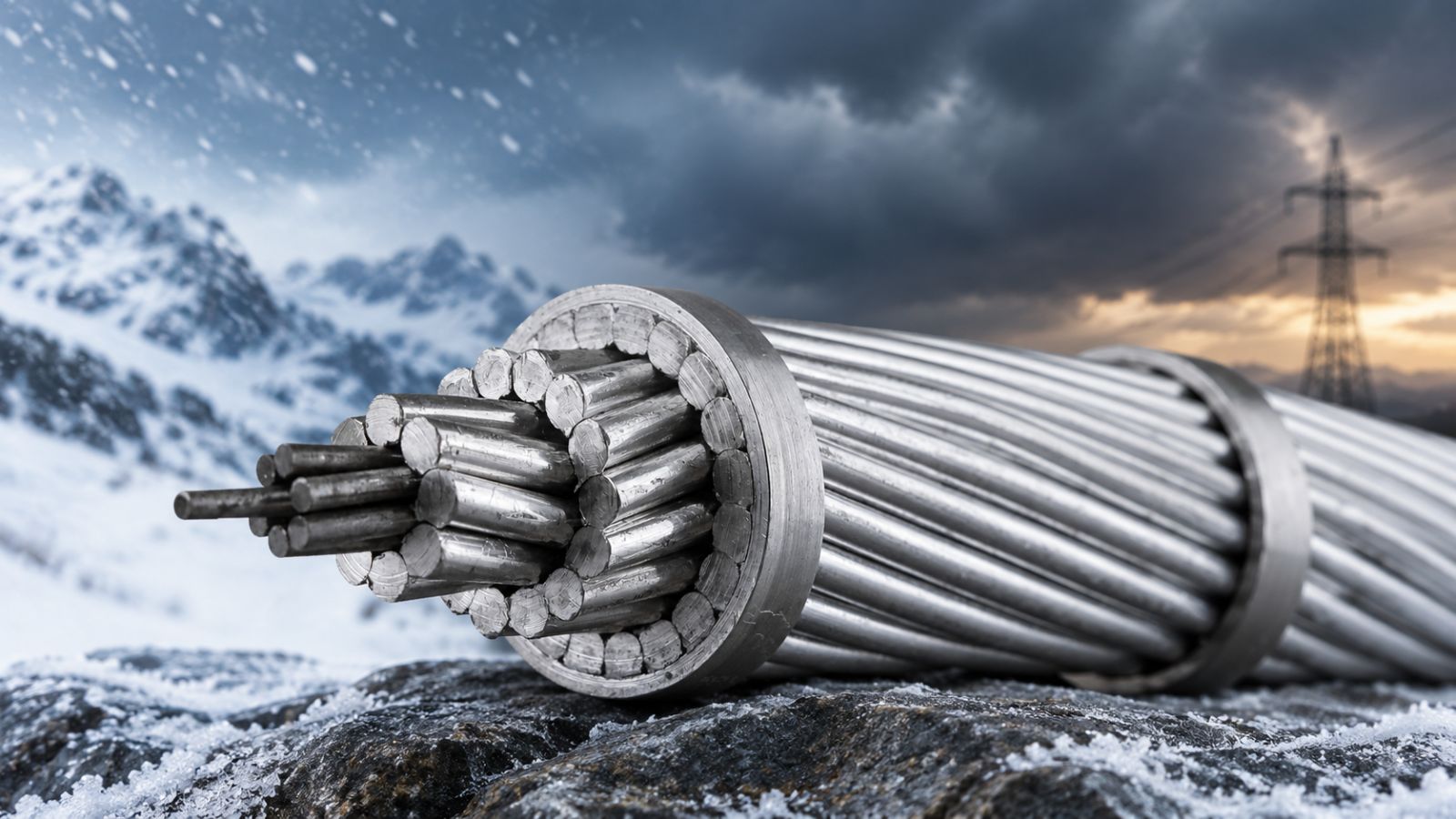
India's coastline gets hit by an average of five cyclones every year, and every one of them tests the same stretch of infrastructure that keeps hospitals, ports, and homes running. Weather resistant aluminium conductors sit right at the center of that test, since a single conductor failure during a storm can black out an entire coastal district for days. At Prem Cables, we engineer conductors to survive exactly these conditions, drawing on decades of manufacturing experience to build products that hold up when the weather refuses to cooperate.
India's own transmission design standards recognize just how much wind conditions vary across the country. IS 802 divides the nation into six wind zones, with design wind speeds ranging from 33 m/s in the calmest zone to 55 m/s in the most severe, a range wide enough to separate a sheltered inland plain from an exposed cyclone-prone coastline.
Odisha's coast and large stretches of Tamil Nadu sit squarely in the highest-risk zones, where cyclonic activity regularly pushes wind speeds well past what a conductor engineered for calmer regions could handle. IS 875 Part 3 adds a cyclone load factor specifically for these zones, acknowledging that ordinary wind load calculations understate the risk in areas exposed to tropical storm systems.
This zoning system matters directly to conductor selection, since a utility building a line through Zone I inland territory faces a very different engineering brief than one routing power through Zone VI along the Bay of Bengal coast. Prem Cables factors this regional variation into how we recommend conductor specifications for different project locations.
A cyclone resistant conductor needs mechanical properties that go beyond what standard aluminium conductors typically offer. High tensile strength matters enormously here, since sustained cyclonic winds place continuous stress on conductor spans, and a conductor that stretches or fatigues under this load risks sagging into unsafe clearance or snapping entirely.
Strand construction plays a direct role in this resilience. Prem Cables manufactures conductors with carefully controlled stranding that distributes mechanical load evenly across every wire in the bundle, reducing the risk of individual strand failure that can cascade into a full conductor break during extreme wind events.
Alloy conductors like AL 59 offer a particular advantage for cyclone-exposed corridors, since their aluminium-magnesium-silicon composition delivers higher tensile strength than standard EC grade aluminium while avoiding the corrosion vulnerabilities that plague steel-cored designs in the same coastal, moisture-heavy zones where cyclones typically strike.
Wind speed alone tells only part of the story. Aluminium conductor wind load calculations also account for conductor diameter, surface roughness, and span length, since a thicker conductor or a longer unsupported span both increase the total force wind exerts on the line.
Engineers use gust factors and drag coefficients, both referenced in IS 875 Part 3, to translate raw wind speed into the actual mechanical load a conductor and its supporting structure must withstand. This calculation becomes especially important in terrain category shifts, since exposed coastal terrain generates different wind loading behavior compared to sheltered inland or urban environments.
Prem Cables designs its conductor range with this load variation in mind, offering strand configurations and alloy options suited to the higher aluminium conductor wind load demands found in exposed coastal and high-altitude corridors alike.
Wind is not the only extreme these conductors face. An extreme climate overhead conductor also needs to perform reliably across temperature swings that range from scorching desert heat to near-freezing high-altitude cold, sometimes within the same transmission corridor as elevation changes.
Rajasthan's summer heat pushes ambient temperatures well past 45°C in many areas, adding thermal stress on top of whatever current-related heating the conductor already experiences during peak load. At the other extreme, Himalayan foothill transmission corridors deal with cold-weather brittleness risk, where certain materials lose flexibility and become more prone to cracking under mechanical stress.
Desert regions across the Middle East, including infrastructure corridors feeding cities like Dubai, face a similar heat challenge to Rajasthan, where sustained high ambient temperatures test conductor thermal tolerance year-round rather than just during isolated heat waves. Prem Cables manufactures conductors tested for exactly this kind of sustained thermal exposure, ensuring performance consistency whether a line runs through desert heat or hill-state cold.
Manufacturing quality directly determines how well a conductor survives real-world extreme weather, since even a well-designed alloy composition fails to deliver its full benefit if production inconsistencies weaken individual strands. Prem Cables addresses this through rigorous testing at every stage, from raw material verification through final stranded conductor inspection.
Our facility in Pipalia Kalan, Rajasthan, tests every conductor batch for tensile strength and dimensional consistency before dispatch, catching weaknesses that could compromise performance during an actual storm event. This testing discipline matters significantly for utilities specifying conductors for India's highest wind zones, where a single underperforming batch could mean widespread outages during the next cyclone season.
We also maintain ISO 9001:2015 certification, giving utilities and EPC contractors documented assurance of consistent manufacturing quality across large orders destined for cyclone-prone or climate-extreme installations.
Selecting a conductor specification without accounting for regional wind zone and climate data creates unnecessary risk that shows up years later during the first major storm. Prem Cables works directly with utility engineers to match conductor type and alloy selection against each project's specific wind zone classification and temperature profile.
Our AL 59 alloy conductor range offers a strong option for coastal and cyclone-exposed corridors requiring both tensile strength and corrosion resistance. For projects specifically along India's coastline, our earlier coverage on AL 59 conductors for coastal transmission lines explains how this alloy handles salt exposure alongside wind stress.
As climate variability continues testing transmission infrastructure across every wind zone in India and comparable regions worldwide, conductor selection will remain one of the most important decisions utilities make during project planning. Utilities and contractors preparing for their next weather-critical installation can connect with our technical team to discuss conductor specifications suited to their region's specific climate demands.
Read more: For more on how alloy conductors resist moisture-related degradation, read our earlier post on corrosion resistance benefits of AL 59 alloy conductors in humid climates.
Weather resistant aluminium conductors handle the sustained mechanical stress cyclonic winds placed on transmission lines, reducing the risk of sagging or breakage during extreme weather events. Prem Cables manufactures conductors specifically suited to India's highest wind zones.
A cyclone resistant conductor typically offers higher tensile strength and better strand distribution to handle sustained high wind loads, which standard conductors are not always engineered to withstand.
Aluminium conductor wind load depends on wind speed, conductor diameter, span length, and terrain category, all factored using gust and drag coefficients referenced in Indian wind loading standards.
Yes. Alloy conductors like AL 59 offer higher tensile strength and better corrosion resistance, making them well suited as an extreme climate overhead conductor option for coastal and high-wind regions.
India is divided into six wind zones under IS 802, with design wind speeds ranging from 33 m/s in the calmest zone to 55 m/s in the most cyclone-prone coastal areas.
Yes. Prem Cables tests conductors for tensile strength and dimensional consistency across a range of thermal conditions, supporting reliable performance from desert heat to hill-state cold.
Yes. Prem Cables manufactures conductors suited to combined stress conditions, including hot desert corridors in Rajasthan and the Middle East, alongside cyclone-prone coastal zones with extreme wind loading.
Utilities and EPC contractors can contact the Prem Cables team directly through the company website to discuss conductor specifications suited to their project's specific wind zone and climate profile.


