
.png)
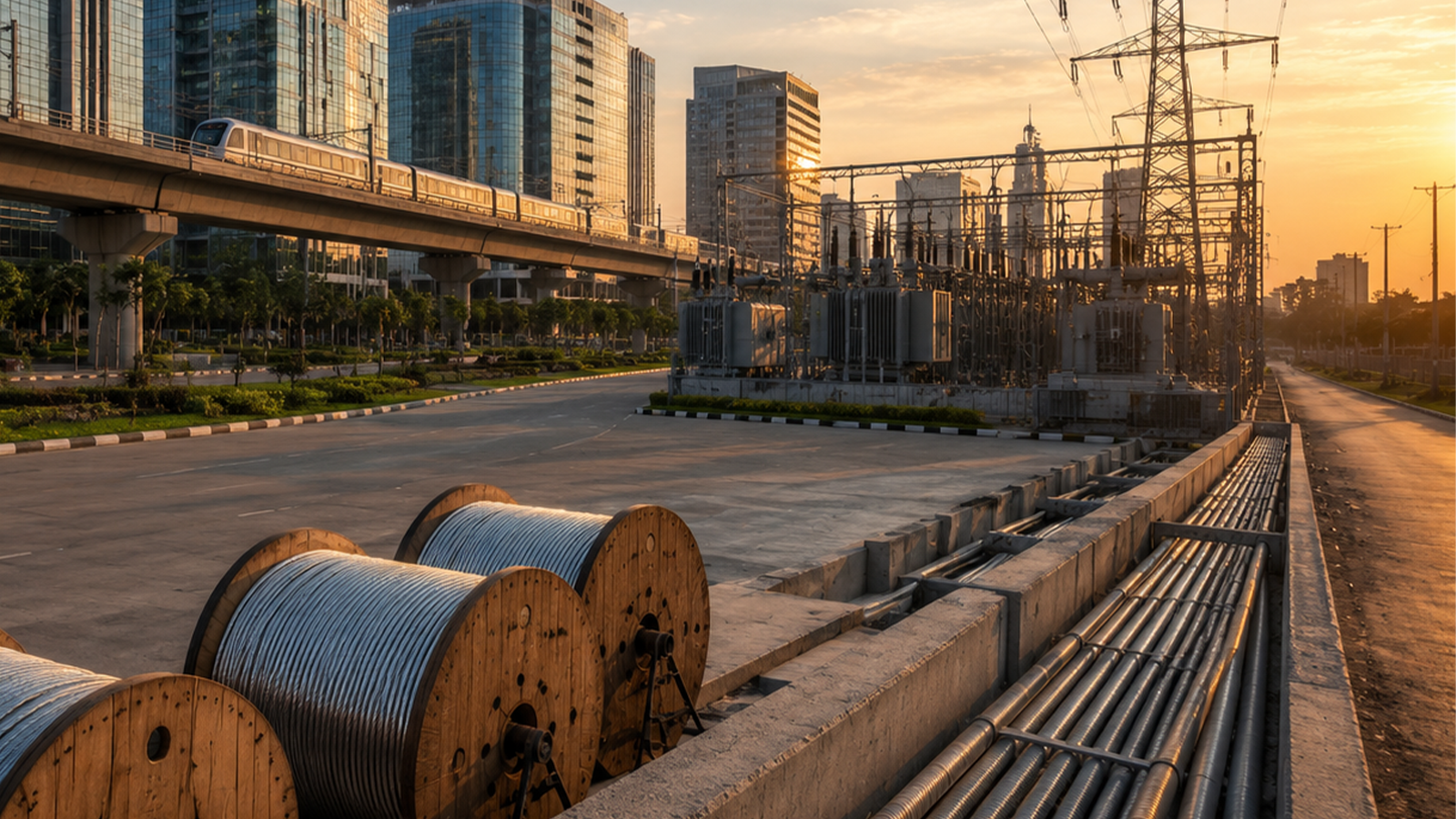
India’s rapid urbanization and infrastructure expansion continue to increase the demand for reliable electrical systems. From commercial complexes and metro projects to industrial facilities and smart cities, every modern development depends on efficient power distribution. In this evolving landscape, Low Tension Aluminium Cables have emerged as a preferred choice for engineers, contractors, and infrastructure developers seeking cost-effective and high-performance electrical solutions.
These cables play a critical role in low-voltage power transmission applications where durability, conductivity, and operational safety remain essential. As infrastructure projects scale across the country, developers increasingly prioritize cable systems that deliver long-term performance with reduced maintenance requirements.
Commercial and infrastructure projects require stable and uninterrupted power distribution. Aluminium-based low tension cables provide an ideal balance between conductivity, weight, flexibility, and cost efficiency.
Compared to traditional alternatives, aluminium cables offer:
These advantages make them suitable for applications ranging from residential developments to industrial power systems. According to industry demand trends, infrastructure developers increasingly prefer aluminium cable systems for large-scale electrical networks because they optimize project budgets without compromising performance.
India continues to invest heavily in:
All these sectors require efficient low-voltage distribution systems capable of supporting high electrical loads safely and consistently.
Modern commercial projects especially demand cable systems that can withstand continuous operational stress while maintaining energy efficiency. Aluminium cables support these requirements effectively due to their thermal stability and mechanical strength.
Choosing the right cable solution involves more than selecting conductor material. Infrastructure developers evaluate several technical parameters before finalizing suppliers.
Modern low tension cables must operate efficiently under varying temperature conditions. XLPE-insulated systems provide superior thermal performance, enabling reliable operation under continuous electrical loads.
Commercial and industrial environments expose cables to physical stress, moisture, chemicals, and external damage. Proper armouring and protective sheathing ensure long-term reliability in demanding environments.
Low dielectric losses help improve transmission efficiency and reduce energy wastage. This becomes especially important in high-load commercial systems where operational costs matter significantly.
Modern infrastructure projects prioritize fire-resistant cable systems that minimize smoke generation and improve occupant safety during emergencies. FRLS and LSZH variants help meet these requirements effectively.
Low tension aluminium cable systems support multiple sectors across India.
Shopping malls, office towers, hospitals, and hotels require uninterrupted low-voltage power distribution systems for daily operations.
Manufacturing plants and industrial units depend on robust cable systems capable of handling high electrical loads continuously.
Metro systems, airports, railways, and smart city projects require scalable and reliable electrical infrastructure for long-term operational efficiency.
Large housing projects use low tension cable systems for safe internal and external power distribution.
The adaptability of aluminium cables across these applications makes them an essential component of India’s infrastructure growth story.
Electrical infrastructure demands strict adherence to quality standards. Reliable manufacturers follow industry certifications and testing procedures to ensure performance consistency.
Modern cable production facilities now integrate:
These measures help ensure product reliability across demanding commercial and industrial environments.
For contractors and project developers, selecting the right supplier directly affects project quality and operational reliability.
When evaluating cable manufacturers, buyers should consider:
A dependable supplier not only delivers products but also supports long-term infrastructure reliability.
India’s electrical infrastructure continues to evolve rapidly. Increasing electrification, urban development, renewable energy integration, and industrial expansion require durable and scalable cable solutions.
As a trusted manufacturer with decades of industry expertise, Prem Cables delivers advanced cable systems designed for commercial, industrial, and infrastructure applications. Its integrated manufacturing ecosystem, advanced testing capabilities, and focus on global quality standards support reliable power distribution across complex projects.
Infrastructure projects today demand more than basic electrical connectivity. They require cable systems that improve efficiency, support sustainability, and reduce long-term operational risks.
Modern low tension cable solutions continue to evolve with:
As India accelerates infrastructure development, the demand for dependable cable systems will continue to grow across industries.
Businesses looking for reliable electrical infrastructure solutions increasingly prefer experienced manufacturers capable of delivering consistent quality and scalable production capabilities.
For developers and contractors searching for dependable cable partners, choosing the right LT Cables Supplier India can significantly improve project performance, safety, and long-term operational efficiency.
Low tension aluminium cables are used for low-voltage power distribution in commercial buildings, industrial facilities, infrastructure projects, and residential developments.
Aluminium cables offer lightweight handling, cost efficiency, corrosion resistance, and reliable conductivity, making them suitable for large-scale infrastructure applications.
Industries such as construction, manufacturing, railways, commercial real estate, energy, and smart city projects widely use these cables.
XLPE insulation provides high thermal stability, low dielectric losses, better durability, and improved resistance to heat and chemicals.
You should evaluate manufacturing standards, certifications, testing capabilities, industry experience, and product quality before selecting a cable manufacturer.


