
.png)
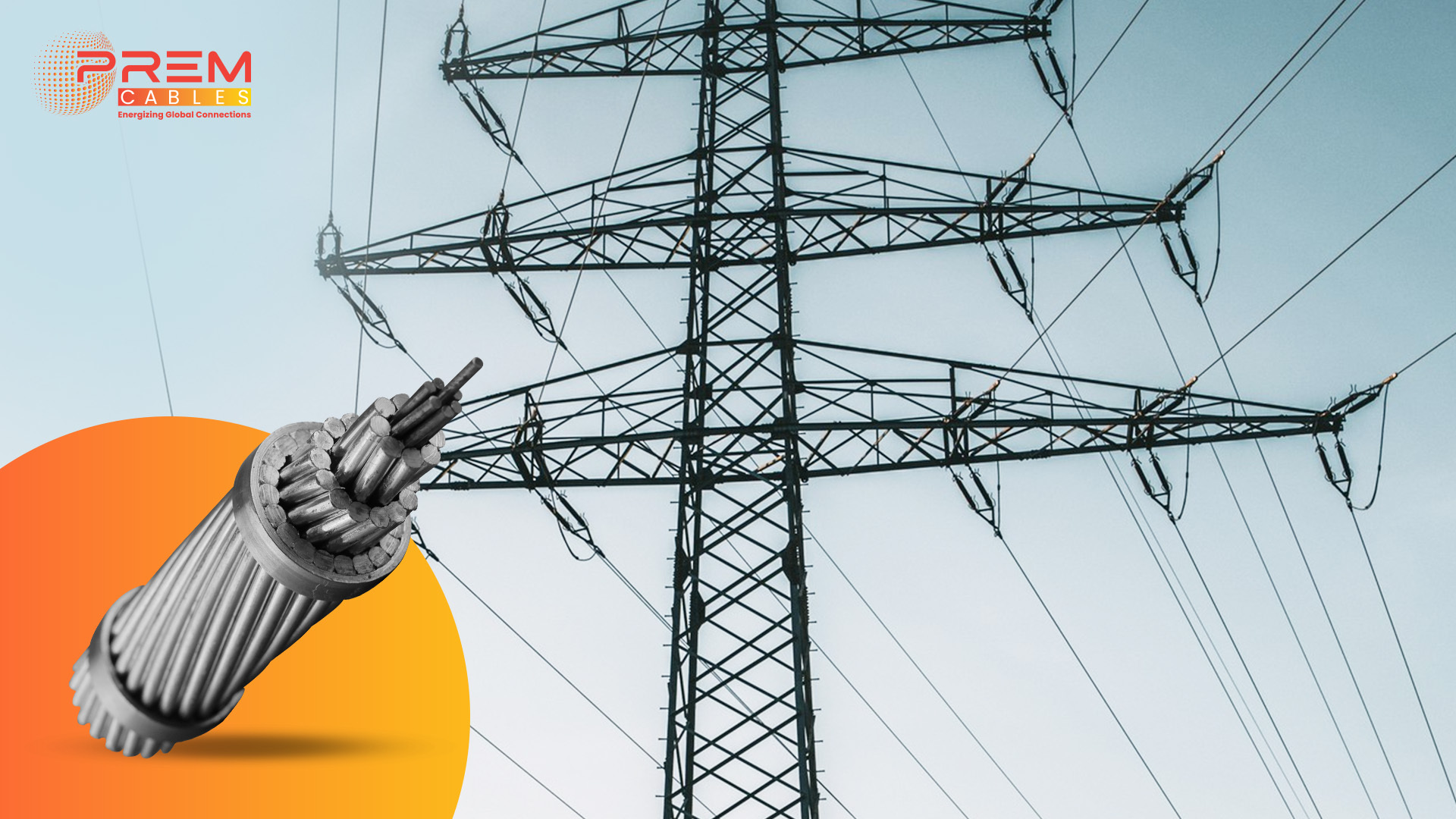
The backbone of any modern electrical infrastructure is its transmission network, a web of high-voltage lines that carry electricity from power plants to cities, industries, and rural areas. But as energy demands surge and grids become more complex, conventional conductors like ACSR and AAAC are increasingly being supplemented or upgraded with advanced alternatives.
Among these, HTLS (High Temperature Low Sag) conductors are emerging as a transformative technology that boosts capacity, reduces losses, and supports the future trajectory of power transmission.
At the forefront of this movement are HTLS conductor manufacturers in India, entities that supply these advanced solutions to utilities and EPC (Engineering, Procurement & Construction) firms. One such player helping drive this progress is Prem Cables, leveraging decades of experience in aluminium and advanced conductor manufacturing to deliver high-performance HTLS products to help electrify India’s grid.
HTLS stands for High Temperature Low Sag, a class of overhead conductors designed to operate efficiently at elevated temperatures without excessive sag over long spans.
Traditional conductors tend to expand and sag noticeably when carrying heavy loads or operating hot, which can affect line clearances, safety margins, and overall reliability. HTLS conductors are engineered with special core materials (such as Invar, carbon fibre composites, or high-strength steel) coupled with outer aluminium layers that provide excellent conductivity, mechanical strength, and thermal performance.
This unique structure enables HTLS conductors to provide:
Because of these qualities, HTLS conductors are ideal for upgrading existing transmission infrastructure without needing costly new towers or right-of-way expansions, a key advantage in dense or challenging terrains.
India’s electricity sector is undergoing a period of rapid transformation. With ambitious renewable energy targets, urban electrification, industrial growth, and rural connectivity programs accelerating nationwide, transmission networks are being asked to do more and to do it better.
Traditional conductors are reaching their limits in terms of capacity and thermal performance, particularly in high-demand corridors and long transmission spans. HTLS conductors help bridge this gap by enabling lines to carry higher currents while minimizing thermal sag and the risk of mechanical fatigue.
For utilities and grid operators, the benefits are clear. Stronger, higher-capacity conductors mean:
In essence, HTLS conductors support the transition to smarter, more reliable grids, a necessity in India’s push toward sustainable growth.
HTLS conductor manufacturers in India are crucial to the electrification mission. These companies not only supply the raw materials but also engineer conductors that meet stringent mechanical, thermal, and quality standards essential for modern grid applications.
Many of these firms adhere to international specifications such as BS EN 50540 and ASTM standards for performance and testing, ensuring their products can handle the demands of high-voltage transmission networks.
Among these manufacturers, Prem Cables stands out for its deep experience in conductor technology, quality control, and production scale. With a heritage spanning more than six decades, the company has expanded its portfolio to include high-performance conductors such as HTLS alongside traditional lines, aluminium wire rods, and insulated cables that serve India’s power sector.
Prem Cables’ manufacturing strengths include ISO 9001:2015 certified processes, in-house testing laboratories, and rigorous compliance with national and global standards. This enables them to produce conductors that consistently deliver on performance, especially in demanding environments like coastal zones or industrial belts where corrosion resistance and thermal stability are vital.
For utilities, EPC contractors, and government projects, sourcing HTLS conductors from reputable manufacturers delivers multiple strategic advantages:
HTLS conductors allow existing towers and corridors to carry significantly more power without the need for structural upgrades. This is valuable in areas where acquiring land or building new structures is costly or environmentally constrained.
Conductors with optimized aluminium layers and high tensile cores reduce electrical resistance, leading to improved energy efficiency and lower system losses.
Advanced materials used in HTLS conductors offer resistance to corrosion and mechanical stress, extending service life and reducing maintenance needs, especially in coastal and industrial zones.
As India scales up for greater renewable integration, HTLS conductors provide the stability and flexibility needed to manage variable power flows from distributed energy resources.
While HTLS conductors can be more expensive upfront than conventional conductors, their long-term benefits in reduced energy losses, deferred infrastructure costs, and enhanced reliability often result in a lower total cost of ownership.
HTLS conductors find applications in:
These applications highlight the versatility of HTLS conductor technology and explain why they are becoming more common in grid modernization initiatives.
The power transmission landscape is rapidly evolving. To meet the growing demand for reliable, efficient, and scalable electricity networks, utilities and infrastructure developers are embracing advanced conductor technologies.
HTLS conductor manufacturers in India are central to this transformation, supplying high-performance solutions that make modern grids more resilient and capable.
Companies like Prem Cables are helping power providers implement next-generation transmission lines that accommodate higher loads with lower losses and enhanced safety. As India continues to expand its transmission infrastructure and integrate cleaner energy sources, HTLS conductors will play a pivotal role in powering the grid of the future, enabling stronger connections, smarter networks, and more sustainable energy delivery for all.
An HTLS (High Temperature Low Sag) conductor is a type of overhead electrical conductor designed to operate at higher temperatures with minimal sag, enabling greater current capacity and improved performance in power transmission systems.
Unlike traditional conductors, HTLS conductors use advanced core materials and aluminium layers to support higher temperatures, reduced sag, and greater capacity, allowing them to carry more power without needing new infrastructure.
They are commonly used in long-span high-voltage transmission lines, renewable energy evacuation routes, urban grids with high load requirements, coastal areas, and retrofit upgrade projects.
Yes, although they may have higher initial costs compared to conventional conductors, their long-term benefits including increased efficiency, reduced losses, and deferred infrastructure expansion make them economically advantageous.
HTLS conductors are designed and tested according to international standards such as BS EN 50540 and various ASTM specifications that define performance, thermal ratings, and mechanical reliability.


